Aesthetics
Porcelain (Ceramic)
Superior - non-porous porcelain with translucency matching natural enamel
Composite (Resin)
Natural - sculpted and polished to match surrounding teeth
Treatment Detail
Direct resin veneers for patients who want minimally invasive results in 1-2 visits with easy in-clinic repairability.
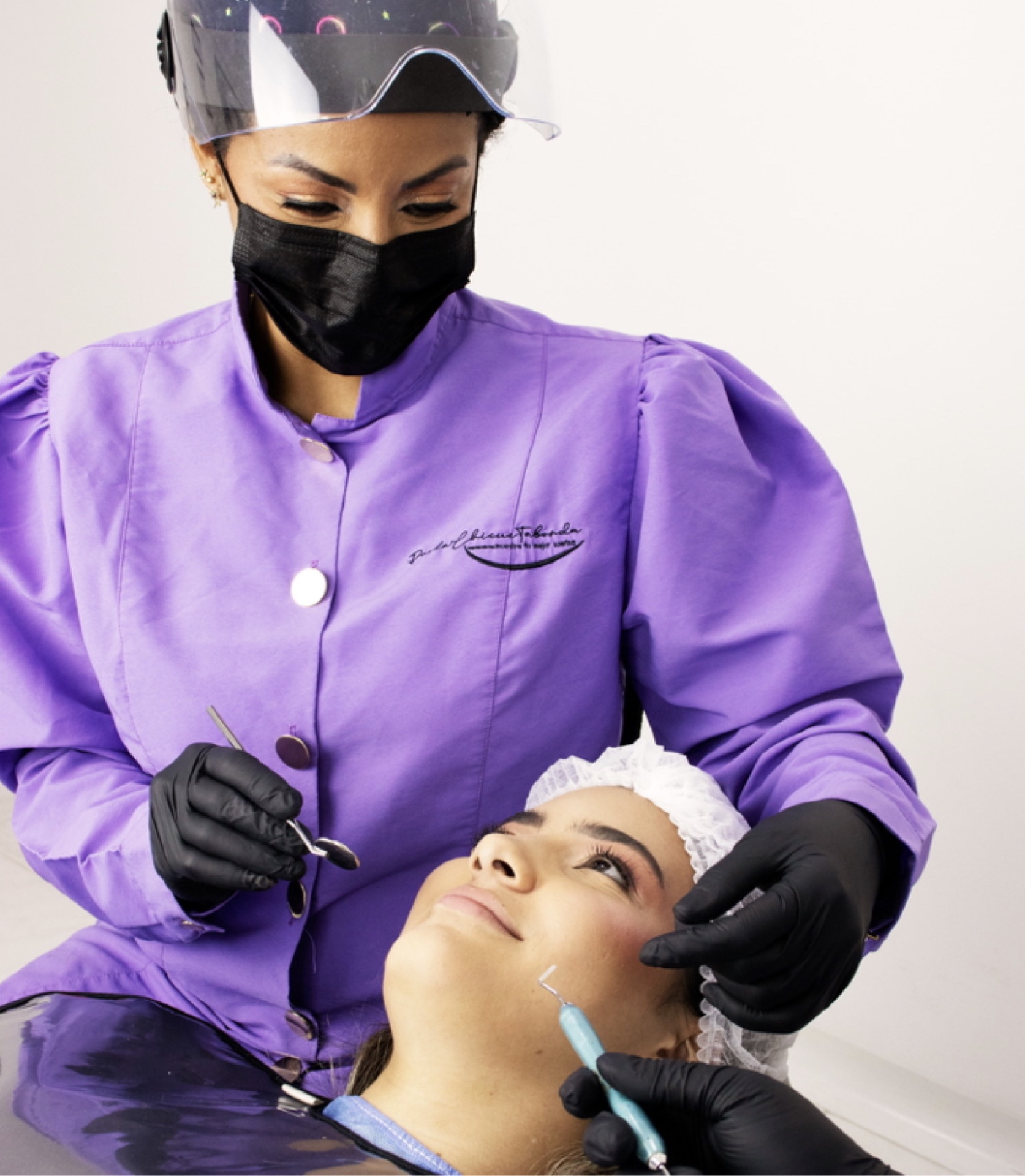
Clinical focus
Precise planning for facial harmony, shape, and a natural finish.
Treatment Overview
Porcelain vs Composite Veneers - At a Glance
Porcelain (Ceramic)
Composite (Resin)
Porcelain (Ceramic)
Composite (Resin)
Porcelain (Ceramic)
Composite (Resin)
Porcelain (Ceramic)
Composite (Resin)
Porcelain (Ceramic)
Composite (Resin)
Porcelain (Ceramic)
Composite (Resin)
Porcelain (Ceramic)
Composite (Resin)
Porcelain (Ceramic)
Composite (Resin)
Why Cali, Colombia
Travel-included veneer treatment in Cali typically costs 60–70% less than the U.S. equivalent — without compromising materials, technology, or specialist supervision. The difference is the cost of living, not the standard of care.
Every international patient is guided by our bilingual VIP concierge: a private driver meets you at Alfonso Bonilla Aragon International Airport (CLO), takes you to your hotel or recommended Airbnb, and coordinates every appointment around a single trip.
| Average U.S. Price | Dra. Paola — Cali, Colombia |
|---|---|
| $1,500 – $2,500 USD | $450 – $700 USD Save 60–70% + VIP Concierge |
*Prices are estimates for comparison purposes. Every smile is unique. Get a free virtual assessment for an exact quote.
International Patients
From your first message to aftercare at home, the process is designed so you land in Cali with everything already planned.
Connect via WhatsApp or Zoom with Dra. Paola personally. Send photos of your smile following our dental photo guide (built into the consultation form) and receive a treatment plan with a personalized quote — before booking any travel.
Our concierge coordinates your veneer appointments into a single stay and arranges your airport pick-up at Alfonso Bonilla Aragon International Airport (CLO) with a private driver, plus hotel or recommended Airbnb.
Porcelain veneers are designed with a digital 3D scanner over 2–3 visits; composite veneers are sculpted directly onto the teeth in 1–2 visits. Both happen in our boutique facility with state-of-the-art technology.
You leave with clear care instructions — non-abrasive toothpaste, daily floss, what to avoid — and our team stays one WhatsApp message away for follow-up questions after you fly home.
Simple habits that protect your result, preserve comfort, and help extend the lifespan of your treatment.
Maintenance recommendation
Brush twice daily with good technique.
Floss every day to keep margins clean.
Attend periodic cleanings and polishing visits.
Avoid biting hard objects that can chip resin.
Limit frequent exposure to coffee, tea, red wine, and tobacco.
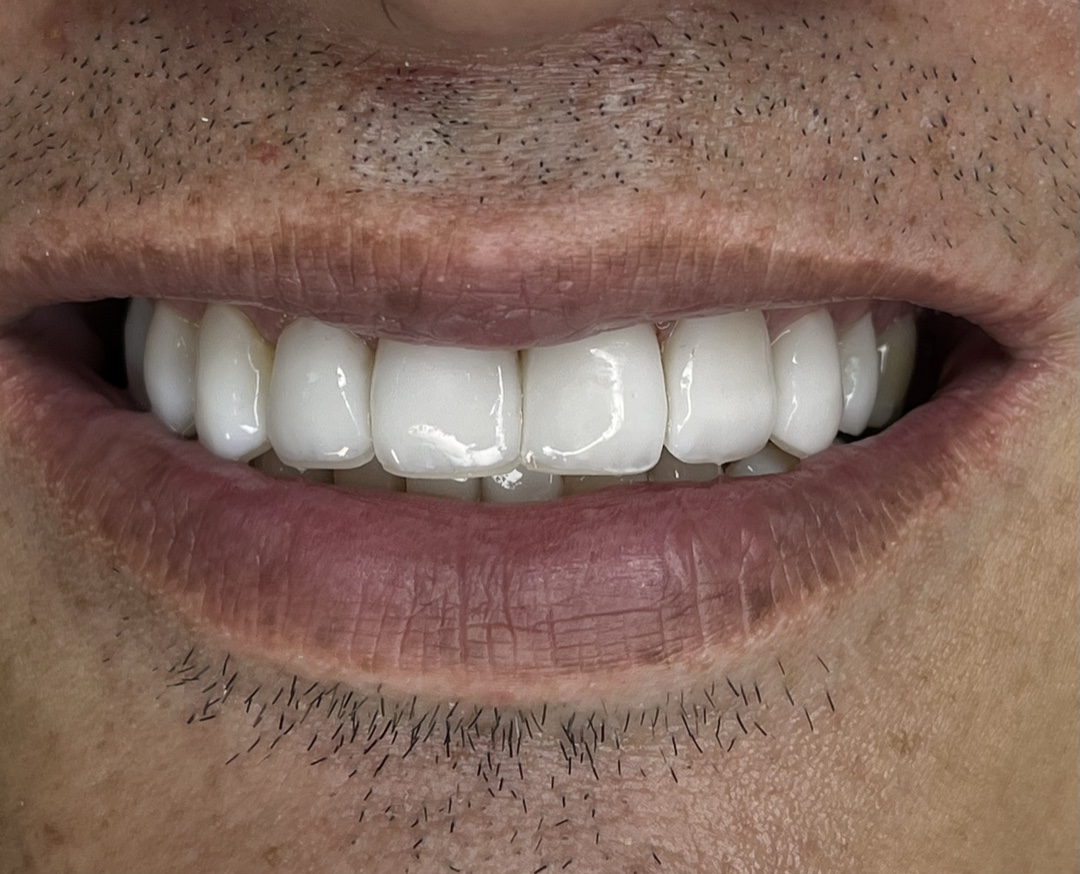
Real documented clinical cases that show changes in shape, shade, and smile harmony.
Before
Reference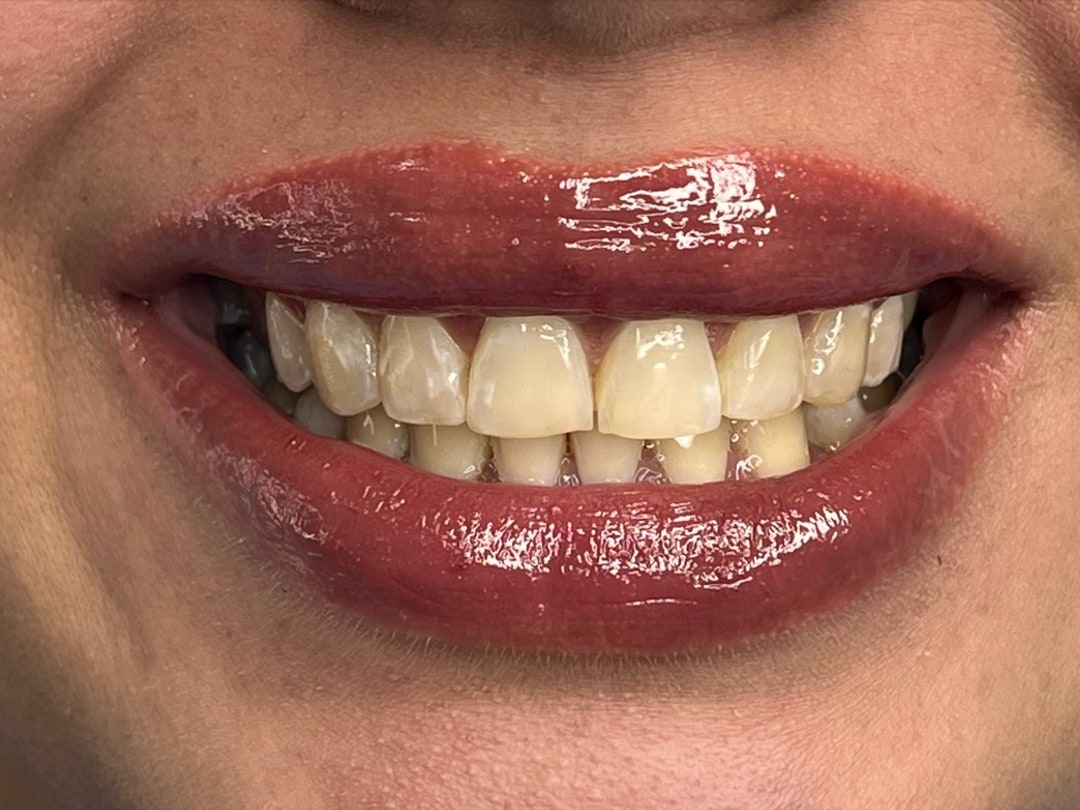
After
Result
Before
Reference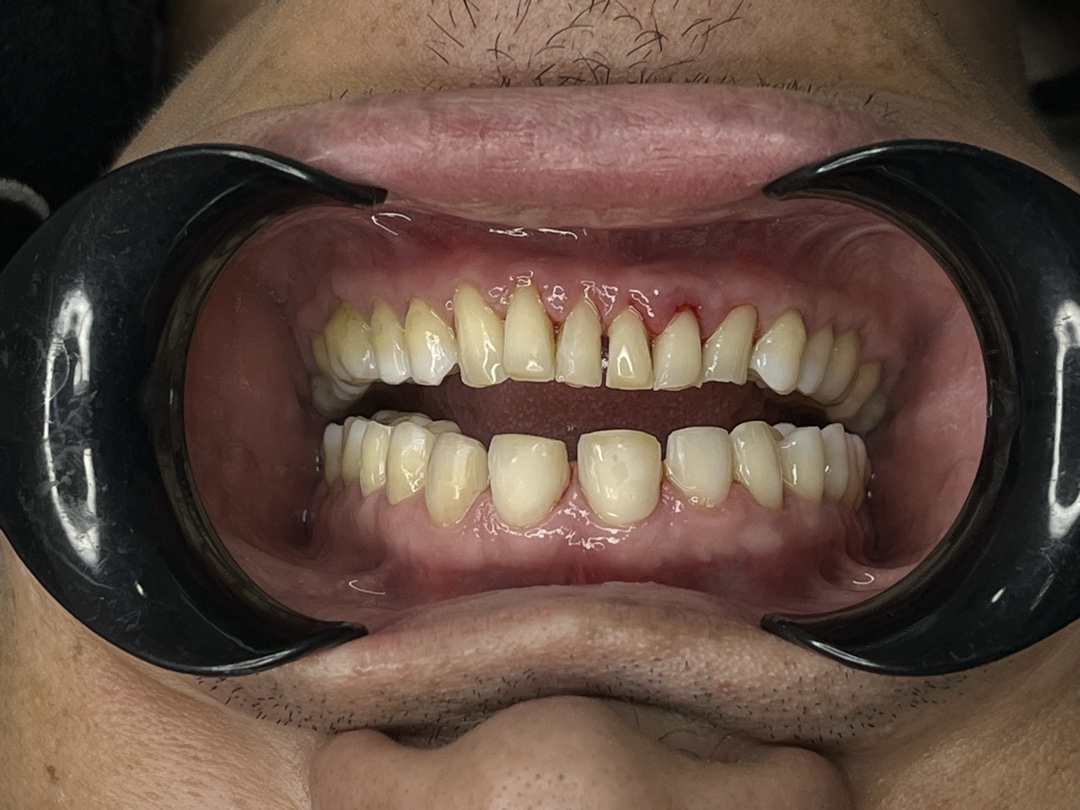
After
ResultBefore / After
Real case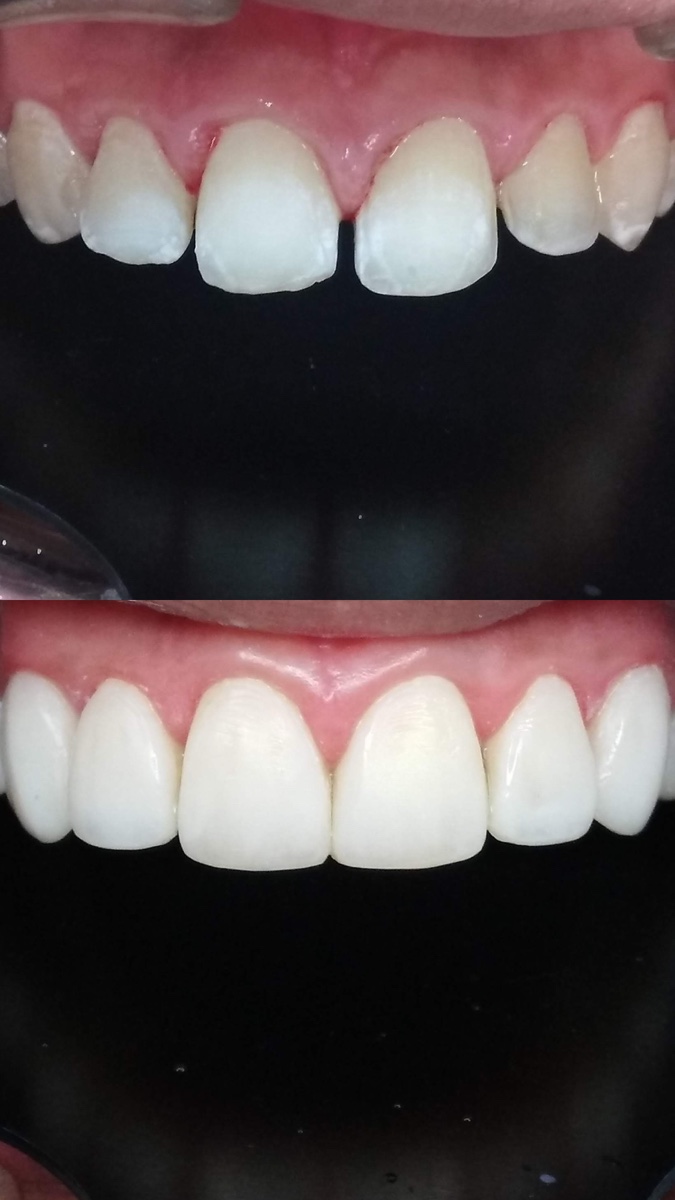
Explore More Treatments
Custom porcelain veneers designed with a digital 3D scanner for 10-15 year smile transformations in Cali.
View treatmentA 6-month implant protocol with medical-grade titanium, specialist planning, and a final crown on your second trip.
View treatmentCAD/CAM porcelain crowns in zirconia and lithium disilicate, designed with a 100% digital workflow for a perfect fit and natural translucency.
View treatmentProfessional 3-session in-office whitening combined with personalized at-home trays — natural-looking, enamel-safe results that last about 1 year.
View treatment60-minute professional deep oral hygiene protocol with ultrasonic scaling and prophylaxis — recommended every 6 months and before any dental procedure.
View treatmentTravel With Confidence
International patients save 60–70% on treatment while staying in carefully selected hotels, traveling with a private driver from Alfonso Bonilla Aragón Airport (CLO), and receiving a fully concierge-managed itinerary.
Why Cali, Colombia for dental tourism
Specialist Care
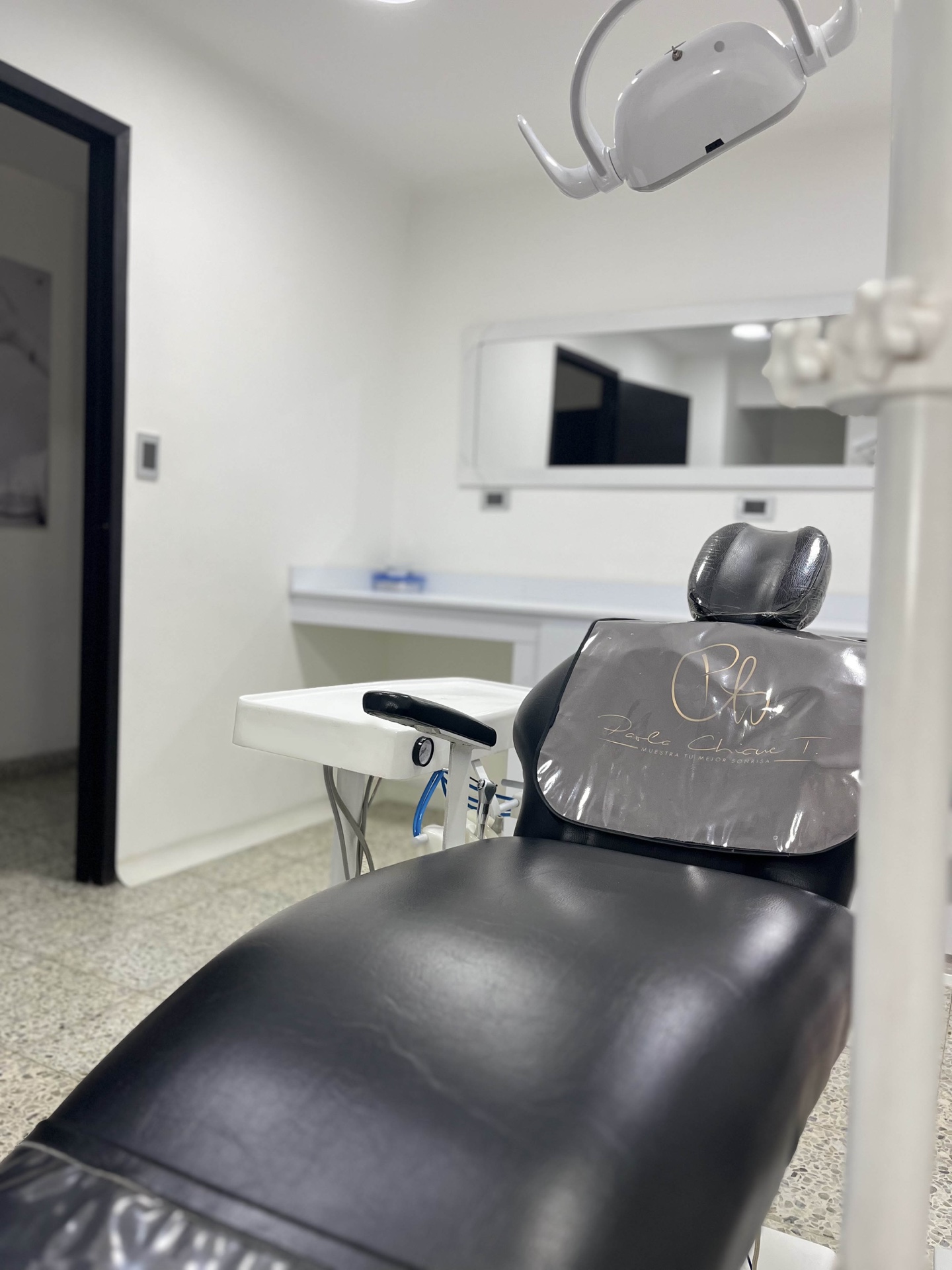
Every treatment page now pairs the specialist portrait and the modern treatment-room view to reinforce who performs your care and the clinical environment where the plan is delivered.