Treatment Detail

Porcelain Crowns in Cali, Colombia

CAD/CAM porcelain crowns in zirconia and lithium disilicate — restoring strength, function, and natural beauty with a 100% digital workflow.

  • Specialist-led care
  • Bilingual guidance
  • Personalized plan
CAD/CAM digital workflow for porcelain dental crowns at Dra. Paola Chicue Cali clinic
100% digital CAD/CAM workflow

Clinical focus

Intraoral scanner, CAD design, and precision milling for a perfect fit.

Treatment Overview

Our porcelain dental crowns use a 100% digital workflow with intraoral scanner and CAD/CAM milling in two premium ceramics: zirconia for posterior strength and implant restorations, and lithium disilicate for ultra-natural translucency on front teeth. Every crown is designed to restore form, function, and natural anatomy with predictable, long-lasting results.

Key Benefits

  • Restores the original form, function, and anatomy of damaged or weakened teeth.
  • Two premium ceramics — zirconia for strength and lithium disilicate for ultra-natural translucency.
  • 100% digital workflow with intraoral scanner — no uncomfortable traditional impressions.
  • CAD/CAM milling for a millimeter-precise fit and predictable, repeatable results.
  • Excellent biocompatibility and proven long-term durability.
  • Ideal solution for natural teeth, large restorations, and the final crown on a dental implant.

The Process

  1. 1

    Diagnosis and Digital Planning

    Clinical evaluation, X-rays, and an intraoral 3D scan build a complete digital model of your mouth — replacing uncomfortable traditional impressions.
  2. 2

    CAD Design

    Using computer-aided design (CAD) software, we design your crown with the perfect form, anatomy, and shade match — and preview the result before fabrication.
  3. 3

    Precision CAM Milling

    The crown is milled from zirconia or lithium disilicate with high-precision CAM technology, ensuring a perfect fit and predictable aesthetics.
  4. 4

    Placement and Adjustments

    The crown is tested, adjusted, and definitively cemented or screwed in place — checking bite, contact, and aesthetics for a comfortable, natural feel.

Zirconia vs Lithium Disilicate

Crown materials at a glance — choosing the right ceramic for the right tooth

Strength

Zirconia

Very high — ideal for high-pressure zones

Lithium Disilicate

High, but lower than zirconia

Aesthetics

Zirconia

Good — modern formulations have improved, but more opaque

Lithium Disilicate

Excellent — high translucency and natural brilliance

Ideal location

Zirconia

Posterior teeth, implant crowns, bruxism patients

Lithium Disilicate

Anterior teeth, veneers, high-aesthetic restorations

Biocompatibility

Zirconia

Excellent

Lithium Disilicate

Excellent

Procedure showcase

Watch the digital crown procedure

From intraoral scan to CAD design and CAM-milled zirconia crown — the full digital workflow in our Cali clinic.

59s

Crowns on natural teeth vs crowns on implants

Crowns are designed differently depending on the substrate. Crowns on natural teeth are cemented onto a prepared tooth and integrate with the surrounding gum and remaining tooth structure. Crowns on implants are screwed or cemented onto an abutment connected to the implant, and are usually fabricated in zirconia for the strength needed to handle occlusal forces. In both cases, our digital workflow ensures a precise replica of the lost dental anatomy.

Post-Treatment Care

Simple habits that protect your result, preserve comfort, and help extend the lifespan of your treatment.

  • 1

    Brush twice daily with a soft brush and non-abrasive toothpaste.

  • 2

    Floss every day to keep the gum margin healthy around the crown.

  • 3

    Attend regular dental visits and professional cleanings to monitor the crown.

  • 4

    Avoid biting hard objects (ice, pens, fingernails) — and use a nightguard if you grind your teeth.

Dra. Paola Chicue Taborda, cosmetic dentist, Cali Colombia

Specialist Care

Led by Dra. Paola Chicue in a Modern Cali Clinic

Every treatment page now pairs the specialist portrait and the modern treatment-room view to reinforce who performs your care and the clinical environment where the plan is delivered.
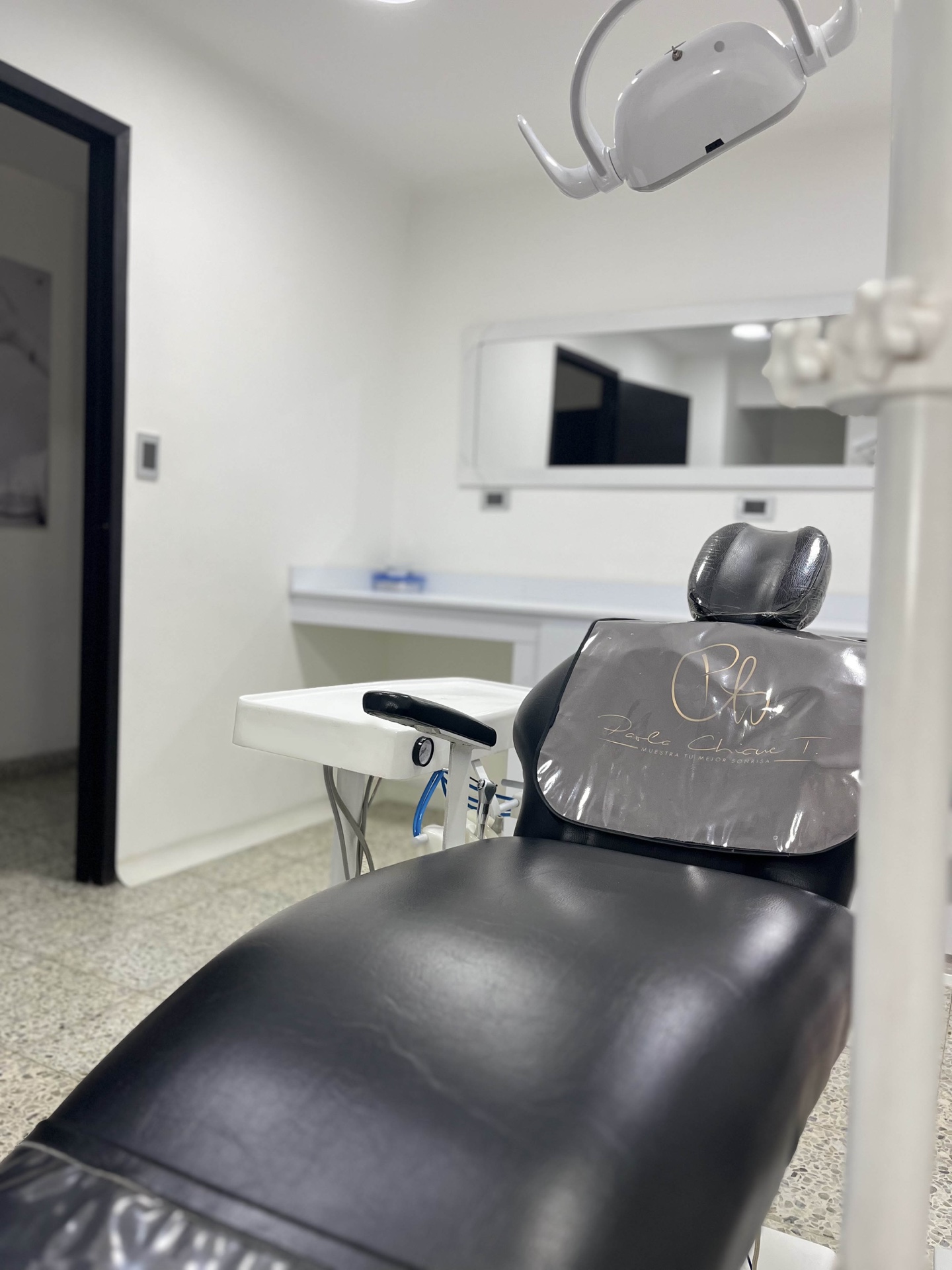
Modern dental chair and ring light at Dra. Paola Chicue's Cali clinic
Modern treatment room prepared for smile design, veneers, and implant protocols in Cali.

Travel With Confidence

Why patients choose Cali for cosmetic dentistry

International patients save 60–70% on treatment while staying in carefully selected hotels, traveling with a private driver from Alfonso Bonilla Aragón Airport (CLO), and receiving a fully concierge-managed itinerary.

Why Cali, Colombia for dental tourism

Frequently Asked Questions

What is a porcelain dental crown?
A porcelain dental crown, also called a cap, is a prosthetic restoration that fully covers a damaged or weakened tooth to restore its form, size, strength, and aesthetic appearance. It is the standard solution for teeth with large fillings, fractures, severe wear, or as the final restoration on a dental implant.
What is the difference between zirconia and lithium disilicate crowns?
Zirconia is a high-strength ceramic ideal for posterior teeth, implant crowns, and patients with bruxism. Lithium disilicate is a glass-ceramic with superior translucency that mimics natural enamel, making it the preferred choice for front teeth and high-aesthetic restorations.
Are crowns on natural teeth different from crowns on implants?
Yes. Crowns on natural teeth are cemented onto a prepared tooth and integrate with the surrounding gum and remaining tooth structure. Implant crowns are screwed or cemented onto an abutment connected to the implant and are usually made of zirconia for added strength to handle occlusal forces.
Is the procedure painful?
Crown placement is performed under local anesthesia, so the procedure itself is not painful. Most patients only experience mild temporary sensitivity afterwards, which resolves in a few days.
How long do porcelain crowns last?
With a 100% digital workflow, modern materials, and good oral hygiene, porcelain crowns typically last 10 to 15 years or more. Avoiding hard biting forces and attending regular checkups protects their longevity.
Will my crown look natural?
Yes. The intraoral scanner and CAD design replicate the original anatomy of the tooth, and lithium disilicate in particular offers high translucency that blends seamlessly with adjacent teeth. Shade selection is matched to your natural smile during the digital design phase.
Are zirconia crowns suitable for patients who grind their teeth?
Yes. Zirconia is one of the most resistant ceramics in dentistry and is highly recommended for patients with bruxism or heavy chewing forces because it withstands pressure that would fracture other materials.